
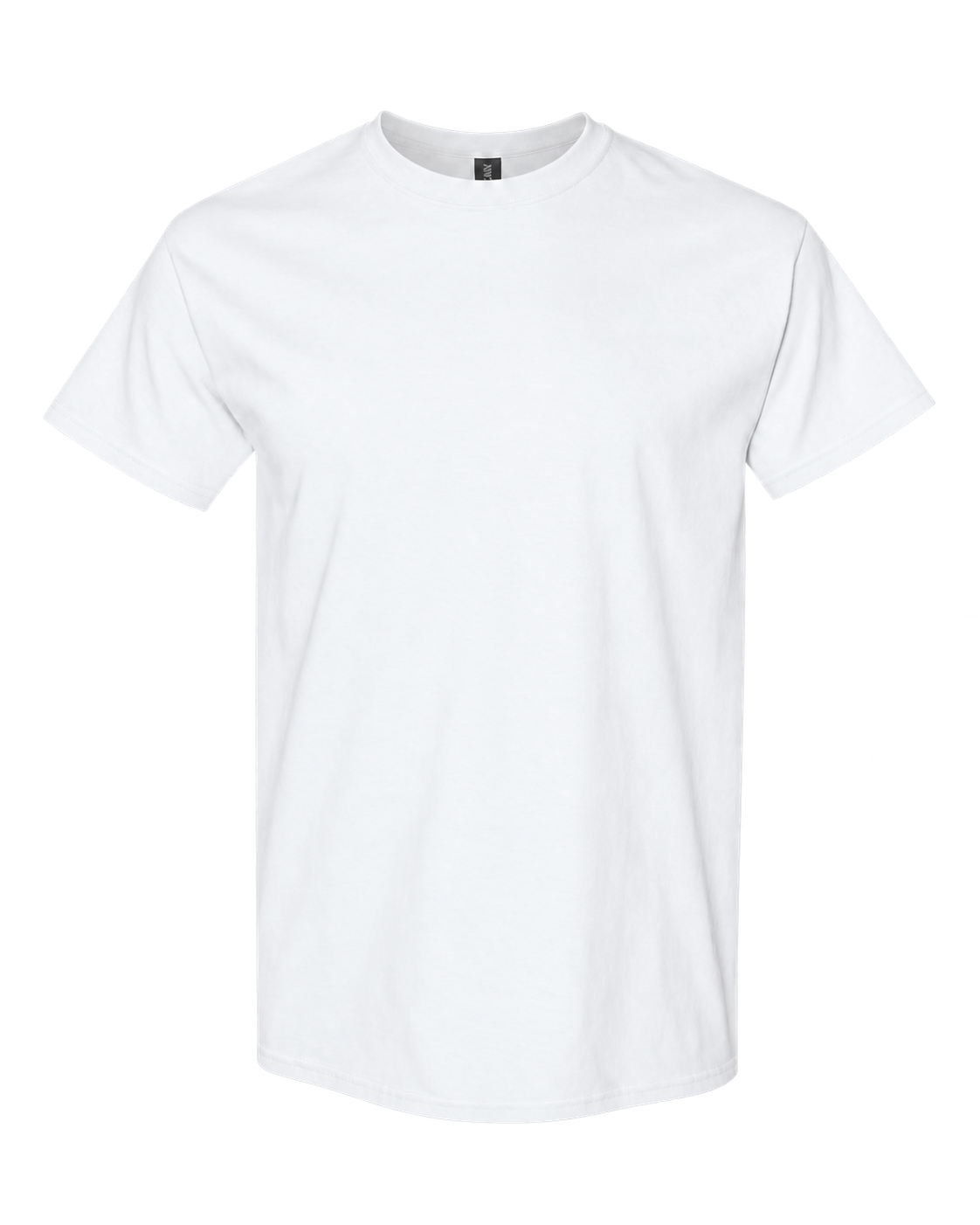
A custom T-shirt or hoodie does not need an event date or a company logo. It can carry a drawing you made, a phrase that means something to you or a small design you simply like wearing. The most useful starting question is straightforward: would you reach for this garment on an ordinary day?
Treat the project as part of your wardrobe. Choose clothing that suits your routine, then develop a design that feels natural on it.
Start with the garment you already enjoy wearing
Think about the clothes you use most often. If you live in T-shirts, a familiar silhouette may be the easiest place to start. If you prefer an extra layer, look at a hoodie or crewneck. Consider where you will wear it: at home, on a walk, while travelling or meeting friends.
Browse Kippush’s custom apparel options and check the details of the garment you choose. Pay attention to the available sizes and the fit information for that item. Do not assume that a size label will fit exactly like something from another brand.
Give the design one clear idea
You do not have to fill every available space. Start with one element that matters: an illustration, a few words or an original symbol. If you want to combine text and artwork, decide which should draw the eye first.
A useful test is to step back from the screen. Can you still understand the main idea? Fine details and small lettering can become difficult to read when a design is viewed at a distance. Simplifying the artwork can help the idea come across without making the clothing feel busy.
Use artwork you created or have permission to reproduce. Finding a picture online does not automatically make it available for printing, and a personal order does not remove that concern.
Consider the colour as part of the design
Look at the artwork together with the garment colour, not as two separate decisions. A design that looks clear on a white screen may feel different against a dark or coloured background. Check whether the lettering and important details remain easy to distinguish.
Also think about the rest of your wardrobe. A colour you already wear regularly can make the finished piece easier to combine with your usual clothes. If the design itself is bold, you may prefer a quieter garment colour so the two do not compete.
Prepare a clear file and a clear request
Kippush’s builder accepts PNG, JPG, JPEG or PDF artwork up to 10 MB. Keep the best-quality original you have rather than relying on a small screenshot. A transparent PNG is useful for artwork without a rectangular background; a JPEG keeps its background. For a multipage PDF, select the exact page you want printed.
Choose Front or Back for the artwork, using the sides available for your garment. After uploading, enter one print dimension and the other follows the image proportions. Kippush recommends 300 PPI at the chosen print size. Move and resize the artwork in the preview, then check the wording and placement. The preview is approximate, and screen colours are not a guarantee of exact printed colour.
Questions about everyday custom clothing
Does a personal design have to be complicated?
No. A short phrase or a simple original drawing can be enough. Choose something you want to wear rather than adding detail just because there is room.
Can I use the same idea on a T-shirt and a hoodie?
You can plan a shared design, but confirm the available print options and suitable placement for each garment. Do not assume every layout transfers unchanged.
To start your own piece, open Kippush’s custom apparel page, choose your garment and colour, add artwork, and enter quantities by size. Review the displayed price and your selection before moving to the cart.